In most early civilizations, commodity money was used as media for exchange. Things like grain, or beaver pelts, or even salt. The word salary comes from the Latin word sal, which means salt. During the Second World War, cigarettes were used to buy and sell in the POW camps. In all these cases, the value of the actual medium of exchange had intrinsic value which was equal to its monetary value.
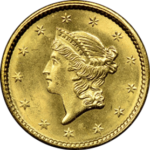
In the Roman Empire, gold and silver were minted into coins with images and inscriptions so that the exact value could be known. At one point Jesus held up a coin and asked whose image was inscribed on it. It was Caesar’s image that made the coin valid as legal tender. But the value of the coin was in the gold.
When Marco Polo travelled from Venice to China in 1275 AD, he was shocked to discover that they were using paper money for all business transactions. No gold or silver. How convenient! It was lightweight and easy to carry. This was the first known use of fiat currency– money created with no intrinsic value except the full faith and credit of the government which printed it.
Jesus taught that the intrinsic value of money is not in the gold, or in the government that issues it, but only to the extent that it is used for the will of God and the kingdom of God. That’s the only gold which will pass from this life into the next.